
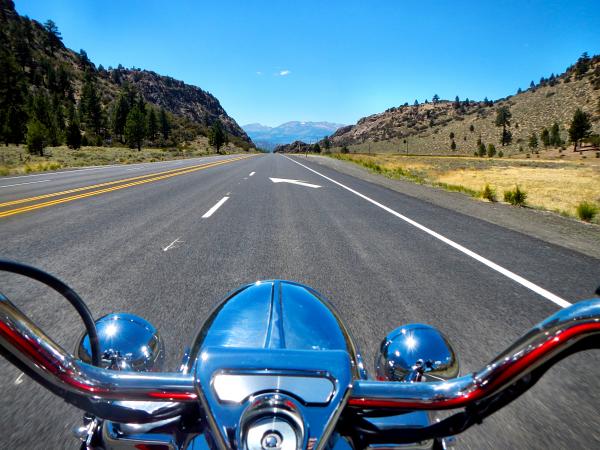
Stock Harley-Davidson handlebars are designed for the "average" rider — average reach, average torso, average preferred posture. The problem is that nobody is actually average. Some riders have longer arms, some sit taller, some run into wrist or shoulder pain after an hour at stock geometry. A bar swap is the single most effective ergonomics fix on a Harley, and it's also one of the cleanest cosmetic upgrades you can make. This guide walks through the most common Harley handlebar styles — what each one looks like, what kind of riding position it produces, and which Harleys typically suit which bars.
Ape Hangers
Tall, dramatic, unmistakable — Ape Hangers put your hands at or above shoulder height for a laid-back cruise posture.
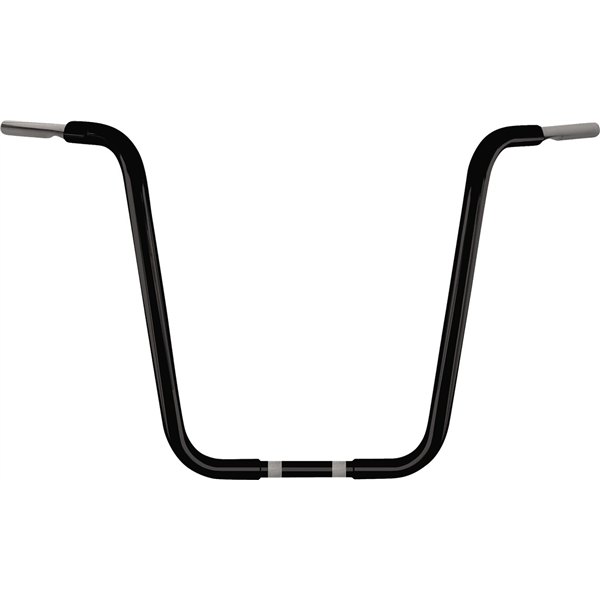
Ape Hangers run from about 12 inches to over 20 inches of rise, with relatively low pullback so your hands sit roughly above the riser caps. The bar style was made famous by the Captain America chopper Peter Fonda rode in Easy Rider. Any bar with hard angles, gussets, or Z-like bends that's still taller than 12 inches is generally considered an Ape variant (sometimes called Z-Apes). Tall Apes almost always require longer cables, brake lines, and wiring extensions — budget for those when you order.
Mini Apes & Baby Apes
The shorter, daily-rideable version of the Ape Hanger. Aggressive look, but a reach a lot of riders actually find comfortable.
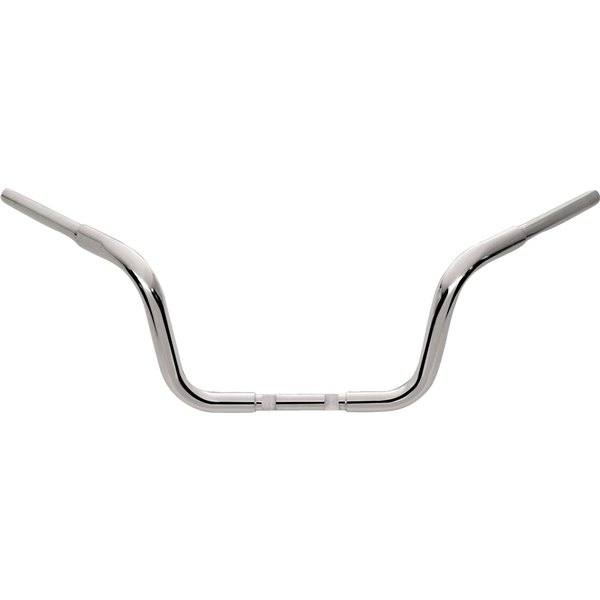
Mini Apes (also marketed as Baby Apes) typically sit under 8-1/2 inches of rise. Riders sometimes confuse them with Buckhorns, but Mini Apes go straight up with a more aggressive hand-open stance, while Buckhorns angle the bar ends back toward the rider. Mini Apes are a good middle-ground for cruiser riders who want some lift without going full ape.
Buckhorn Handlebars
The OEM bar style on a lot of Harley Softail, Sportster, and Dyna models — comfortable, upright, and forgiving on long miles.
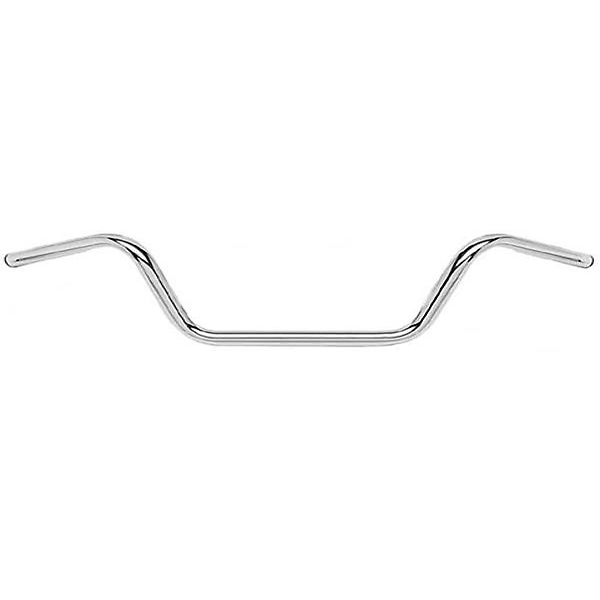
Buckhorns have a short rise (similar to Mini Apes) but with the bar ends angled in toward the rider. The hand position is closer to the body, which puts less strain on the shoulders and is friendlier on long rides than the more aggressive Mini Ape. If your stock Harley feels close to right but you want a slightly different look, a Buckhorn is the safest upgrade.
Drag Bars
The sportiest Harley bar option — low rise, minimal pullback, forward-leaning rider stance.
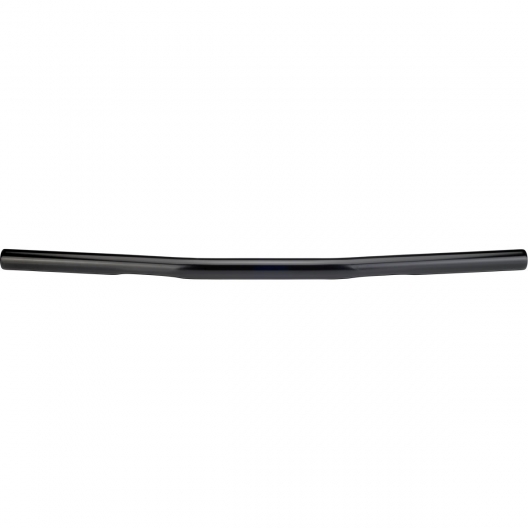
Drag Bars sit nearly flat with 1–3 inches of rise and almost no pullback. They tip the rider forward into a more aggressive posture, which trades some long-haul comfort for sharper control input and a cleaner café/street look. Common on Sportsters and Dyna-based customs. Most drag bar swaps don't need cable extensions — stock cables usually reach.
Beach Bars
Long, swept-back, low — Beach Bars deliver the most laid-back cruiser posture of any Harley bar style.
Beach Bars have long swooping bends that pull the grips way back toward the rider, similar to the geometry on a beach cruiser bicycle. Hand position is slightly wider than the shoulders and sits low — usually around waist height. Very little rise. Worth noting: the 1903 Serial Number One Harley used essentially this same bar geometry. Beach Bars work best on Softails and traditional cruisers where the riding position can stay relaxed.
Z-Bars
Sharp, geometric, aggressive — Z-Bars feature hard-angle Z shapes at each end. Great on Sportsters and narrow choppers.
Z-Bars rise about 4 inches with minimal pullback and a moderately narrow grip spacing — the hand sits about shoulder-width or narrower. They give a bike a unmistakably custom silhouette and tend to look best on lean, stripped-down builds. Like Drag Bars, most stock cables will reach without modification.
T-Bars
The aggressive bagger bar — tall risers welded to a top bar that sits well above stock height.

T-Bars combine the riser and bar into a single welded unit with the top "T" running across at a tall position. They produce a show-bike profile that's become a defining look on modern custom baggers. T-Bar swaps almost always require longer cables, brake lines, and wiring — sometimes a custom internal harness if the bar isn't pre-drilled. Pricing on the bar itself is only part of the total swap cost.
Quick Comparison
Approximate rise and riding posture for each common Harley handlebar style.
| Bar Style | Typical Rise | Pullback | Posture |
|---|---|---|---|
| Drag Bar | 1–3" | Minimal | Forward-leaning, sporty |
| Z-Bar | ~4" | Low | Aggressive, narrow |
| Beach Bar | 1–3" | High | Laid-back cruiser |
| Buckhorn | 4–6" | Moderate | Upright, daily-rideable |
| Mini Ape | 6–10" | Moderate | Tall, classic chopper |
| Ape Hanger | 12"+ | Low | Dramatic, hands-up |
| T-Bar (bagger) | 10–16" | Aggressive | Show-style bagger |
Aftermarket Harley-Davidson Parts Dealer
Shop Harley Bars, Risers & Cables
Whether you're going with a subtle Buckhorn swap or a full 18" Ape, Chaparral Motorsports stocks bars, risers, throttle/clutch cable kits, brake lines, and grips for every Harley platform. Browse our Harley-Davidson aftermarket parts or call our parts counter with your year/model and we'll confirm fitment before you order.
Safety Notice & Disclaimer
This article is provided for general informational purposes only. Handlebar fitment, cable length, brake-line routing, and wiring requirements vary by Harley-Davidson model and year — always reference the factory service manual for your specific motorcycle and torque all fasteners to manufacturer specification.
Some U.S. states regulate maximum handlebar height (typically measured from the seat to the grips). Verify your state's law before installing tall bars. Improperly installed bars or undersized cables, brake lines, or wiring can cause sudden loss of throttle, clutch, or brake function. Have all bar swaps performed or inspected by a qualified motorcycle technician if you are not confident in the procedure. Chaparral Motorsports is not responsible for injury, damage, or loss arising from the use of products discussed in this article.
