
Key Considerations
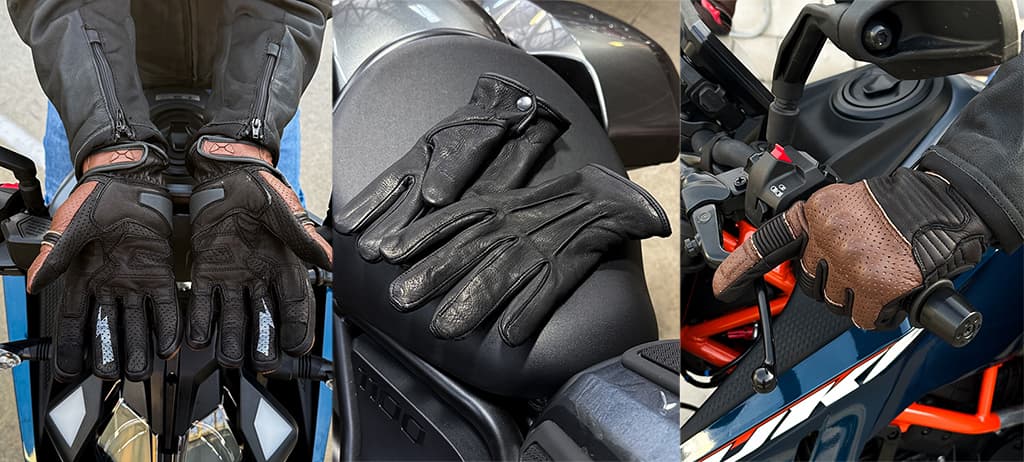
Finding the perfect motorcycle glove requires balancing your environment, your bike type, and how the gear feels on your hands. By focusing on weather adaptability, your specific riding discipline, and proper ergonomics, you can narrow down the perfect pair.
Modern riding gloves are engineered with specific weather environments, riding disciplines, and ergonomic needs in mind. A motocross rider attacking a track has different needs than a commuter navigating traffic or a touring rider crossing mountain passes. Understanding those differences will help you choose a glove that enhances both safety and performance.
Weather & Climate
Weather plays a critical role in glove performance. Hands are one of the first body parts to feel the effects of temperature changes, wind chill, and moisture. Choosing the correct glove for the conditions not only improves comfort but directly impacts reaction time, grip strength, and endurance.
Extreme Cold
Maximum insulation & water protection. For freezing temperatures and wet riding conditions, layering technology is essential. Premium winter gloves from brands like Tourmaster and Alpinestars use multi-layer construction to trap heat while blocking rain and wind.

High-performance waterproof membranes keep moisture out while allowing internal heat to escape. Insulation like PrimaLoft provides warmth without excessive bulk, maintaining throttle sensitivity and lever control.
Layering is an effective way to trap and retain body heat; however, motorcycle gloves need to allow the maximum possible amount of free movement. Finger dexterity is the key to increased comfort and fatigue reduction, so these very technical materials are used to trap heat and repel cold wind without looking like Randy from A Christmas Story. Keeping your hands warm preserves blood flow and reduces fatigue, allowing you to ride longer and safer.
Moderate Cold
Wind Resistance & Light Insulation. Moderate cold gloves are designed for brisk mornings, late fall rides, or high-altitude terrain where temperatures drop but heavy rain isn’t expected. These gloves focus on wind resistance and light insulation while preserving flexibility. Rides in moderately cold conditions that are dry or only subject to light rains will be enhanced by the use of gloves from this category.

Because your fingers lack body fat, your hands are a part of your body most difficult to keep warm. When your body temperature drops, the body begins to divert and expend energy in an attempt to retain heat. Using one of the insulated gloves in the moderate cold category will help your digits retain important body heat thus increasing your comfort and reducing fatigue.
Brands like Noru and Tourmaster offer insulated textile and leather combinations that strike a balance between warmth and mobility. Soft thermal linings help retain heat, while stretch panels maintain dexterity for precise throttle and brake input.
This category is ideal for riders who encounter cooler climates but do not need full waterproof winter gear. They are lighter, more flexible, and less bulky than extreme cold gloves, making them a versatile option for transitional seasons.
Because hands have limited natural insulation, protecting them from wind chill prevents energy loss and reduces rider fatigue over longer distances.
Average Temperatures
Impact protection & dexterity. For riding in temperatures between 60 and 80 degrees, the focus shifts toward protection and articulation. In these conditions, airflow is less critical than impact resistance and freedom of movement.

These gloves are engineered for aggressive street riding, canyon carving, dual sport use, and daily commuting. The materials are lighter than winter gloves but still robust enough to handle real-world riding demands.
This category is often the most popular because it offers versatility — enough protection for spirited riding without the added bulk of insulated gear.
Warm Weather
Airflow & heat reduction. When temperatures rise above body temperature, effective ventilation becomes essential. Excess heat drains energy, slows reaction times, and reduces concentration. Proper airflow allows perspiration to evaporate, cooling the body naturally.

Vented knuckle panels and stretch zones increase airflow while maintaining flexibility and protection. These gloves are designed to feel lightweight and unrestricted, making them ideal for summer street riding, desert environments, and high-performance riding conditions.
Rather than trapping heat like winter gloves, vented gloves promote cooling. For riders in hot climates, choosing the correct ventilated glove can significantly improve stamina and overall ride enjoyment.
Riding Style and Terrain
Different riding disciplines demand specific glove characteristics. Street riders prioritize impact protection, while off-road enthusiasts need enhanced grip and flexibility. Adventure touring requires versatility across varied terrain and weather conditions. Understanding your primary riding style ensures optimal protection and performance.
Street & Commuting
Maximum protection & all-day comfort. Street riders benefit from gloves that prioritize impact protection, abrasion resistance, and comfort during longer rides. Leather construction with molded knuckle armor and reinforced palms provide protection in the event of a slide.
Touring riders may prefer gauntlet-style gloves with extended cuffs to integrate seamlessly with jackets, offering better wind and rain sealing.

Adventure & Touring
Versatility for mixed terrain. Adventure riders need versatility. Conditions may shift from highway pavement to gravel roads to muddy trails. Gloves from Noru and Alpinestars designed for dual sport use typically combine durability, moderate weather resistance, and enhanced grip for mixed-terrain riding.

Off-Road & Performance
Maximum dexterity & control precision. Motocross riders demand maximum dexterity. Gloves must allow complete freedom of movement while still offering knuckle and palm reinforcement. Many riders choose between padded and non-padded palms based on personal preference.

Motocross is a demanding sport that requires a glove that provides the maximum amount of dexterity and the maximum amount of protection. You can often find this style glove with a padded palm or non-padded version. This is a matter of preference, where padding offers additional comfort and non-padded gloves minimizes potential material bunching that can lead to blisters.
There are so many excellent MX gloves that I am hard pressed to present a favorite. This is where you really need to try them on, weigh the features and comfort and most importantly select a glove that fits your precise preferences. The standard motocross glove is durable enough to function during demanding races and versatile enough to work well on the trail. Because of the greater degree of protection they also make an excellent Dual Sport glove.
Performance-focused gloves are often pre-curved to reduce hand fatigue and increase control precision. Lightweight materials prevent overheating during high-intensity riding sessions.
Desert & Hot Terrain
Breathability for harsh environments. Desert riding is particularly demanding. High temperatures, rocky terrain, and long distances require a glove that is breathable yet protective. Reinforced palms, abrasion-resistant overlays, and ventilated construction are key.
Choosing the correct glove ensures protection from both the environment and potential impacts without sacrificing airflow.

Comfort & Fitment
Even the most advanced glove fails if it doesn’t fit properly. Comfort impacts endurance, reaction time, and overall safety. Gloves that are too tight may restrict circulation and increase arm pump. Gloves that are too loose may bunch, creating blisters and pressure points.
Measure around your palm across the knuckles.
| Hand Measurement (Inches) | Alpha Size | Numeric Size |
|---|---|---|
| 7.5" - 8" | SM | 8 |
| 8.5" - 9" | MD | 9 |
| 9.5" - 10" | LG | 10 |
| 10.5" - 11" | XL | 11 |
| 11"+ | XXL | 12 |

Many modern gloves are articulated, meaning they are designed to feel most natural in the riding position. Proper fit reduces fatigue and enhances throttle and brake control over longer distances.
- Simulate gripping handlebars
- Check for excess material in the palm
- Ensure fingertips are not cramped
- Confirm wrist closures are secure but not restrictive
Top Picks

Alpinestars SMX-1 Air V2 Gloves

Noru Chikei Waterproof Gloves
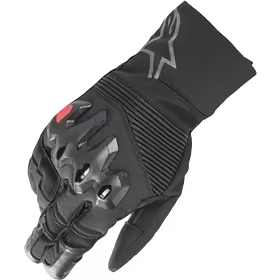
Alpinestars Bogota Drystar XF Gloves
Shop Motorcycle Gloves


Ready to Grip and Rip?
Selecting the right motorcycle glove is more than just choosing a style you like. Weather conditions, riding discipline, and proper fit all influence performance, safety, and endurance.
Brands like Noru, Alpinestars, and Tourmaster offer purpose-built options for every season and riding style — from insulated waterproof touring gloves to high-airflow summer performance designs. Taking the time to evaluate your needs ensures your next pair of gloves will deliver the protection, comfort, and confidence you expect every time you twist the throttle.
